The Science Behind Wireless Technology: How Invisible Waves Connect Us
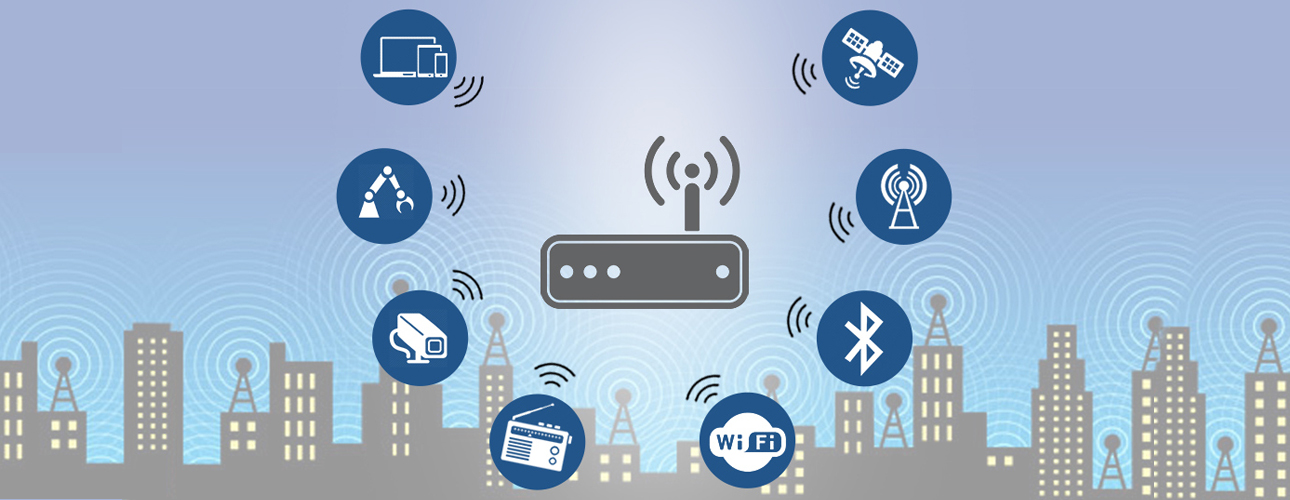
The science behind wireless technology is a fascinating blend of physics and engineering that allows us to connect and communicate without the need for physical cables. At its core, this technology operates on the principles of electromagnetic waves, which are invisible forms of energy that traverse through the air. These waves carry data by modulating their amplitude, frequency, or phase, making it possible for devices like smartphones, laptops, and Wi-Fi routers to communicate seamlessly. Modern wireless technologies rely on standards such as Wi-Fi, Bluetooth, and cellular networks, all of which utilize different frequencies to optimize performance and range.
Understanding how these invisible waves connect us involves recognizing the importance of various components in the transmission process. For instance, antennas play a crucial role in emitting and receiving these waves, where the design and placement of antennas can significantly affect signal strength and quality. Additionally, technological advancements such as 5G networks are pushing the boundaries of wiresless technology, enabling faster data transfer rates and enhanced connectivity. As we continue to harness the power of these invisible waves, we further integrate wireless solutions into our daily lives, transforming everything from communication to transportation.
Counter-Strike is a popular tactical first-person shooter game that has captivated players since its release in 1999. With its emphasis on team-based gameplay and strategy, it offers an intense experience where players can engage in a variety of multiplayer scenarios. For gamers looking to enhance their mobile experience, check out the Top 10 Wireless Chargers for Pixel Devices to keep their devices charged while they play.
10 Everyday Devices Using Wireless Waves: Transforming Our Daily Lives
In our rapidly evolving tech landscape, wireless waves play a pivotal role in transforming everyday devices. From smartphones to home automation systems, these invisible signals enable seamless connectivity. For example, Wi-Fi routers emit radio waves that allow multiple devices to connect to the internet without the clutter of cables. Likewise, Bluetooth technology uses short-range wireless waves to link devices, such as headphones to smartphones, facilitating a more convenient and untethered experience. Here are a few everyday devices that rely heavily on wiresless waves:
- Smartphones
- Smart home devices
- Wireless printers
- Fitness trackers
- Streaming devices
Beyond mere convenience, the impact of wiresless waves transcends into security, efficiency, and innovation. For instance, smart home security systems send alerts to our smartphones via wireless signals, ensuring we stay informed about potential threats even when we're not home. In addition, IoT (Internet of Things) devices like smart thermostats optimize energy usage, adjusting automatically based on our habits thanks to the wireless communication they utilize. As our reliance on these devices grows, understanding their functionality and benefits becomes increasingly important for a more connected and efficient lifestyle.
Are We Overconnected? The Pros and Cons of Living in a Wireless World
In today's fast-paced digital era, the question of whether we are overconnected is becoming increasingly relevant. With the rise of smartphones, tablets, and wearable technology, we find ourselves constantly plugged into a network that keeps us informed and connected. On one hand, the advantages are palpable; for instance, instant communication with loved ones, access to a wealth of information at our fingertips, and the ability to work from virtually anywhere. This level of connectivity fosters creativity and collaboration, enabling us to network and share ideas on an unprecedented scale.
However, the consequences of living in a wireless world cannot be ignored. The downsides include diminished face-to-face interactions, increased levels of anxiety, and a constant sense of urgency to stay connected. Research suggests that this perpetual connection can lead to burnout and decreased productivity. Moreover, there are valid concerns about privacy and security, as our personal information becomes more vulnerable in an interconnected environment. Ultimately, while being highly connected offers many benefits, it also poses significant challenges that we must navigate carefully.