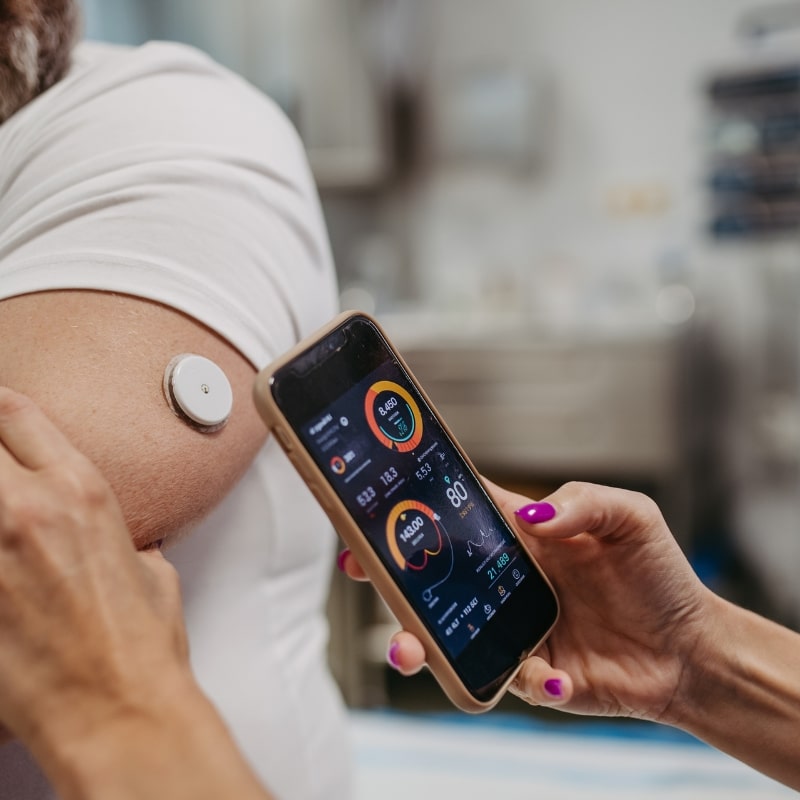
Are Wearables Helping or Hindering Your Fitness Goals?
In today's tech-savvy world, wearables have become ubiquitous in the fitness landscape, promising to enhance our health and fitness journeys. Devices such as smartwatches and fitness trackers offer a wealth of data, from heart rate monitoring to sleep analysis. This data can provide valuable insights, allowing users to set specific goals based on their personal metrics. However, the key question remains: are wearables helping or hindering your fitness goals? While the motivation to track progress is undeniably beneficial, an over-reliance on these devices might lead to anxiety and frustration when goals are not met.
Moreover, the potential for wearables to distract from actual physical activity cannot be overlooked. Instead of focusing on the joy of movement, users may become obsessed with the numbers and metrics displayed on their screens. This fixation can inadvertently create a cycle of comparison and self-doubt, overshadowing the positive aspects of fitness. Ultimately, achieving a healthy balance between utilizing technology and maintaining a genuine connection with your fitness goals is essential. Consider incorporating wearables thoughtfully into your routine to ensure they are a tool for empowerment, not a source of stress.
Counter-Strike is a popular first-person shooter that emphasizes teamwork and strategy. Players join either the Terrorist or Counter-Terrorist team, engaging in various objectives such as bomb defusal or hostage rescue. For those looking for comfort while gaming, you might want to check out the Top 10 Apple Watch Bands for Sleep, which can enhance your overall gaming experience.
The Pros and Cons of Fitness Trackers: What You Need to Know
Fitness trackers have become increasingly popular as a tool for health and fitness enthusiasts. One of the primary pros is their ability to provide real-time data about your physical activities. With features like heart rate monitoring, step counting, and sleep tracking, these devices can motivate users to stay active and reach their fitness goals. Additionally, many fitness trackers come with mobile apps that allow for easy data analysis, enabling users to identify patterns and make adjustments to their routines. These insights can be invaluable for those looking to improve their overall health and productivity.
However, there are also cons associated with fitness trackers that potential users should consider. One major downside is the possibility of becoming overly reliant on these devices, which can lead to anxiety if daily goals are not met. Furthermore, the accuracy of the data collected can vary significantly between brands and models, raising questions about the reliability of the information. Lastly, some users may find the price point of high-quality fitness trackers to be a barrier, as the most effective models can be quite expensive. Weighing these pros and cons is essential for anyone considering investing in a fitness tracker.
How Smart Wearables Shape Your Workout Experience
The rise of smart wearables has revolutionized the way individuals approach their fitness journeys. Devices such as smartwatches and fitness trackers are equipped with advanced technology that provides real-time data about heart rate, calories burned, and even sleep patterns. These metrics allow users to make informed decisions about their workouts, enabling them to tailor exercise routines based on performance trends. For instance, if a runner notices a spike in heart rate during their training, they can adjust their intensity to avoid overexertion and enhance their overall fitness.
Moreover, smart wearables foster a sense of community and motivation through features like social sharing and competition. Many devices allow users to connect with friends and participate in challenges, which can push them to reach their fitness goals. Additionally, some wearables offer personalized coaching, providing tailored workout plans and feedback that further enhance the workout experience. With the integration of apps and insights, smart wearables not only track progress but also actively contribute to a healthier lifestyle.