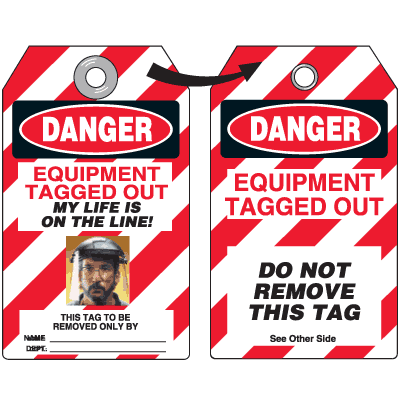
The Importance of Safety Tags in Hazard Communication
Safety tags play a crucial role in enhancing hazard communication within various industries. They serve as visual indicators that inform employees and visitors about potential dangers associated with equipment, facilities, or hazardous substances. By clearly marking risks, these tags help to prevent accidents and ensure that proper safety protocols are followed. For example, tags can indicate whether a machine is undergoing maintenance, whether there are chemical hazards present, or if personal protective equipment is required in a specific area. The presence of safety tags not only promotes a culture of safety but also builds awareness and accountability among workers.
Moreover, effective hazard communication through safety tags can significantly reduce workplace incidents. According to the Occupational Safety and Health Administration (OSHA), clear labeling and tagging are essential components of hazard communication standards. When safety tags are used systematically, they can help to eliminate confusion about potential hazards. Regular inspections and updates of these tags ensure that the information remains relevant and accurate, ultimately contributing to a safer work environment. In summary, the importance of safety tags in hazard communication cannot be overstated; they are essential tools that protect employees and foster a proactive approach to safety management.
Counter-Strike is a popular tactical first-person shooter game that emphasizes team-based gameplay and strategy. Players can choose to be part of either a terrorist team or a counter-terrorist team, each with specific objectives. For those interested in gaming gear, consider the Top 10 Apple Watch Accessories for Runners to enhance your performance while gaming or running. The game has a vibrant esports scene, with numerous tournaments and professional players showcasing their skills.
How Safety Tags Enhance Workplace Safety and Awareness
Safety tags play a crucial role in enhancing workplace safety by providing clear, visible information about hazards and precautions. These tags are often used to alert employees to potential dangers, equipment statuses, and safety instructions. By making safety information accessible at a glance, safety tags empower workers to recognize and respond appropriately to risks in their environment. For instance, color-coded tags can quickly convey the urgency of a hazard, with red tags indicating immediate danger and green tags signifying safe areas or equipment. This visual communication fosters a culture of awareness and vigilance among team members.
Moreover, the implementation of safety tags is vital for promoting compliance with workplace safety regulations. Regular training sessions can help employees understand the significance of these tags and how to interpret them effectively. Organizations that prioritize the use of safety tags not only reduce the likelihood of accidents but also demonstrate their commitment to employee well-being. Furthermore, by integrating safety tags into their safety management systems, companies can streamline incident reporting and enhance overall operational efficiency. In conclusion, effective use of safety tags is a tangible step towards creating a safer and more informed workplace.
What Should You Know About Choosing the Right Safety Tags?
Choosing the right safety tags is crucial for maintaining a safe and compliant working environment. When selecting safety tags, consider factors such as the material, size, and durability. For example, thermally-printed tags tend to withstand harsh conditions better than paper tags. Additionally, it's important to assess the visibility of the tags. Bright colors and clear typography will make it easier for workers to spot potential hazards. Remember, an effective safety tag should convey essential information at a glance, so prioritize clarity and design.
Moreover, you should also take into account the application of the tags. Different environments may require specialized tagging solutions. For instance, tags used in industrial settings often need to comply with regulations, such as ANSI standards, which specify particular dimensions and colors. Consider creating a checklist that includes factors like legibility, reliability, and compliance to streamline your decision-making process. By paying attention to these key elements, you can ensure that your safety tags effectively communicate critical information to prevent accidents and enhance workplace safety.