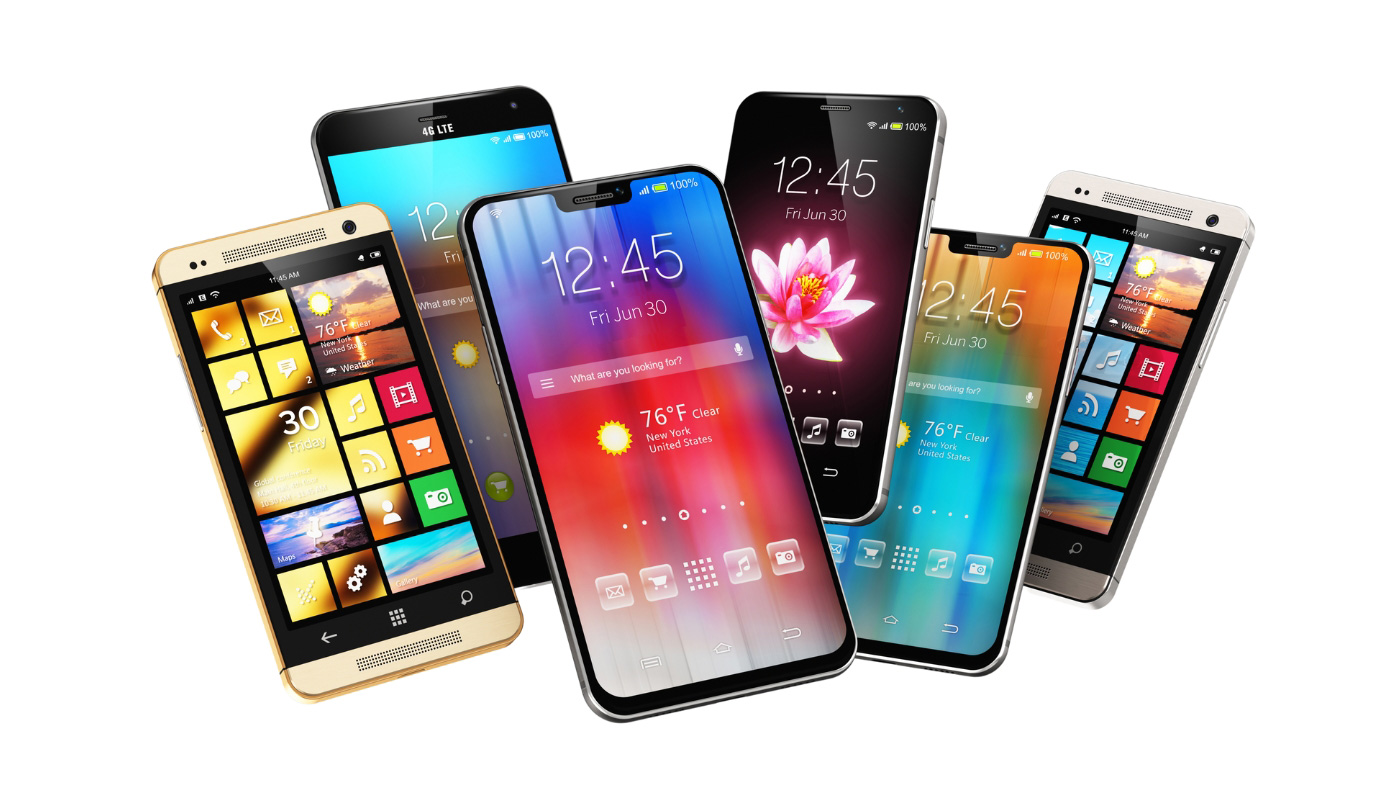
The Power of Small Screens: How Mobile Devices Are Shaping Modern Communication
The evolution of communication in the digital age has been significantly influenced by mobile devices. With their compact design and portability, smartphones and tablets have transformed how we connect with others. According to recent studies, over 60% of global internet traffic now comes from mobile devices, highlighting their dominance in the communication landscape. This shift has not only reshaped traditional communication methods such as phone calls and emails but has also paved the way for new forms of interaction, including instant messaging and social media platforms. As we embrace this mobile-centric world, understanding the power of small screens has never been more crucial.
Moreover, the impact of mobile devices extends beyond personal communication. Businesses are leveraging mobile technology to enhance customer engagement and streamline operations. For instance, mobile apps have become essential tools for companies, providing a direct line to their customers through push notifications and real-time updates. This capability facilitates immediate feedback and fosters a more interactive relationship between brands and consumers. As we continue to rely on our smartphones for various aspects of life, it's clear that mobile communication is not just a trend but a fundamental aspect of modern society that will continue to evolve.
Counter-Strike is a popular first-person shooter game known for its tactical gameplay and team-based strategy. Players engage in competitive matches, taking on the roles of either terrorists or counter-terrorists, with the objective of completing tasks or eliminating the opposing team. For gamers looking to enhance their mobile experience, you might want to check out the Top 10 iPhone Ring Holder Stands for better grip during intense gaming sessions.
From Idea to App: The Journey of Big Concepts in a Mobile World
In today's fast-paced digital landscape, the journey from idea to app has never been more crucial, especially as our reliance on mobile technology continues to grow. It starts with that initial spark of inspiration—a concept that could solve a problem or enhance user experience. From brainstorming sessions to market research, the first phase involves rigorous ideation, where creativity meets feasibility. However, this is just the beginning. Once the idea has taken shape, it undergoes a transformation through prototyping and design, allowing creators to visualize how their app will function in the mobile world.
As the app progresses, development becomes a pivotal stage that brings the concept to life. Coding, testing, and refining lay the groundwork for a product that is both user-friendly and robust. Throughout this journey, SEO plays a significant role in ensuring that the app doesn’t just exist but thrives in a competitive marketplace. Effective keyword strategies, user-friendly interfaces, and optimized landing pages can dramatically increase visibility in app stores, making it easier for users to discover the newly launched app. By understanding the entire journey from concept to creation, innovators can better prepare for the challenges that lie ahead in a mobile-centric world.
Are Small Screens the Future of Innovation? Exploring the Impact of Mobile Technology
In today's fast-paced digital landscape, small screens have become the primary interface for millions worldwide. The proliferation of smartphones and mobile devices has revolutionized how we interact with technology, making mobile technology a key driver of innovation. With smaller screens, companies are forced to prioritize simplicity and user-centric design, leading to more intuitive applications. This shift not only enhances user experience but also enables developers to think creatively about functionality and accessibility. As we embrace a world dominated by small screens, we may be witnessing the dawn of a new era where convenience and efficiency reign supreme.
Moreover, the impact of mobile technology extends beyond individual usage; it fosters a sense of connectivity and community that larger platforms often struggle to achieve. According to recent studies, over 50% of web traffic now comes from mobile devices, highlighting their integral role in communication, commerce, and information sharing. This trend encourages businesses to optimize their online presence for small screens, driving further innovation in digital marketing strategies and e-commerce platforms. As we explore the potential of small screens in shaping future innovations, it’s clear that mobile technology is not just a passing trend but a pivotal factor in how we will engage with our digital environment for years to come.