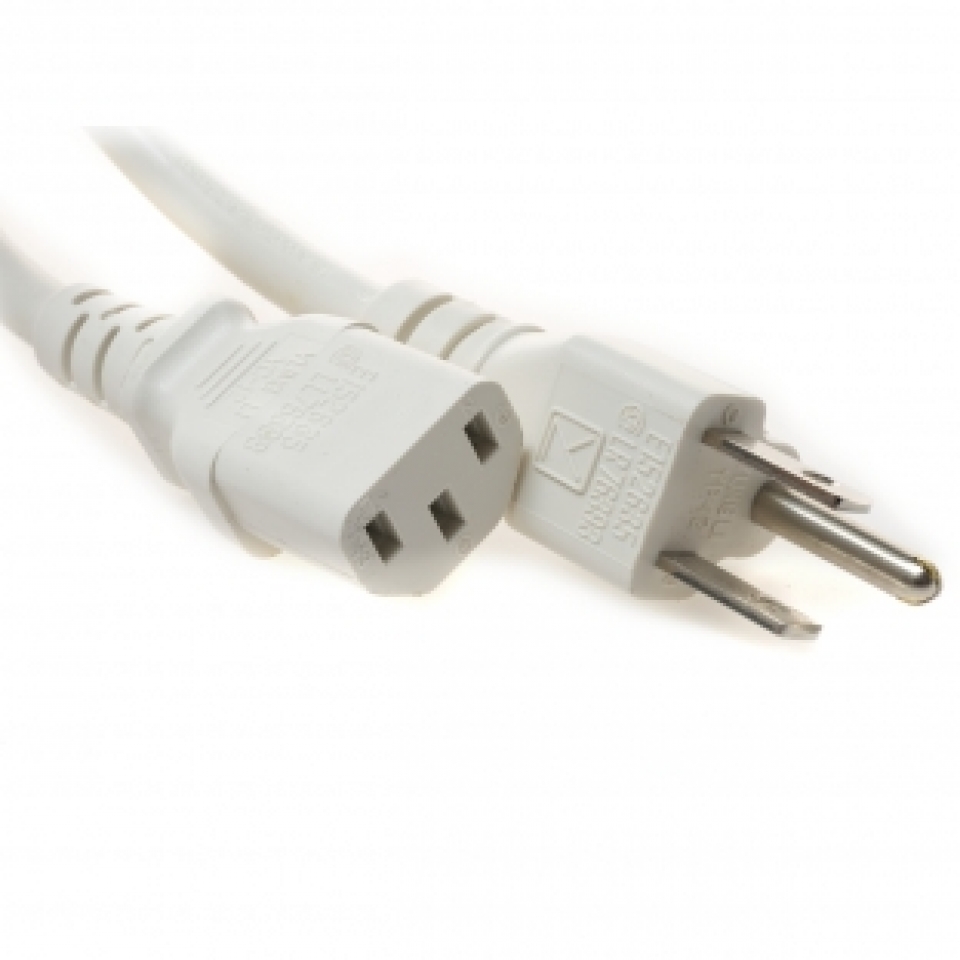
Understanding the Essential Role of Cables in Modern Electronics
In the rapidly evolving landscape of modern electronics, the significance of cables cannot be overstated. These essential components serve as the lifelines of connectivity, enabling communication between devices that form the backbone of our technology-driven world. From the power cables that energize our gadgets to the data cables that facilitate the transfer of information, each type plays a critical role in ensuring efficiency and performance. Without these vital connections, the functionality of devices such as computers, smartphones, and various household appliances would be severely compromised.
Moreover, the advancements in cable technology have led to improvements in speed, durability, and compatibility. For instance, the transition from traditional copper cables to fiber optics has revolutionized data transfer rates, offering unparalleled speeds that are essential for high-demand applications like streaming services and online gaming. Additionally, with the emergence of smart devices and the Internet of Things (IoT), the need for robust and flexible cabling solutions has become more pressing than ever. Understanding the diverse types and purposes of cables is crucial for anyone looking to navigate the contemporary electronics landscape effectively.
Counter-Strike is a popular first-person shooter game that focuses on team-based gameplay, where players must work together to complete objectives or eliminate the opposing team. The game has spawned multiple versions, with Counter-Strike: Global Offensive being the most recent and widely played. Players can enhance their gaming experience with various peripherals, and you can check out the Top 10 apple tv accessories to find the perfect gear for your setup.
How to Choose the Right Cable for Your Power Needs
When it comes to powering your devices safely and efficiently, choosing the right cable for your power needs is essential. Different applications and devices have varying requirements in terms of voltage, current, and distance. To make the best decision, consider the following factors:
- Current rating: Ensure that the cable you select can handle the required amperage without overheating.
- Voltage rating: Verify that the cable meets or exceeds the voltage requirements for your application.
- Length: Take into account the length of the cable run, as longer distances may require thicker cables to minimize voltage drop.
In addition to these factors, also think about the material of the cable. Copper cables provide better conductivity but might be more expensive, while aluminum cables are lighter and more cost-effective but can have higher resistance. Always read the specifications provided by manufacturers and consult an expert if you’re unsure. Doing your due diligence can prevent costly mistakes and ensure that your power distribution is efficient and safe.
Debunking Common Myths About Electrical Cables
When it comes to electrical cables, there are numerous myths that can lead to misunderstandings about their usage and safety. One common misconception is that all cables are the same and can be used interchangeably. In reality, different types of cables are designed for specific applications, such as flexible cables for outdoor use versus armored cables for added protection in industrial settings. Using the wrong type of cable not only affects performance but can also pose serious safety risks.
Another prevalent myth is that thicker electrical cables are always better. While it's true that thicker cables can carry more current and reduce the risk of overheating, they are not always the most suitable option for every situation. It's essential to consider factors such as cable length, ampacity, and environmental conditions when selecting the appropriate thickness. Opting for a cable that is too thick for a given application can lead to increased costs and installation difficulties, highlighting the importance of understanding the specific requirements of your electrical system.